


Middle Ear Analysis: What Tympanometry Shows
Muffled hearing, a blocked sensation that keeps coming back, or a child who turns the television up a little louder each month are common reasons ears get looked at more closely. Middle ear analysis using tympanometry is one of the quickest ways to find out what is happening behind the eardrum. It is quick, painless, and gives the audiologist a clear objective picture rather than relying only on what you can describe.
What tympanometry actually is
Tympanometry is a test of how your eardrum and middle ear are working. It shows how the eardrum reacts to changes in sound and air pressure, which tells the clinician how mobile the drum is and how well the middle ear cavity is functioning. The middle ear sits behind the eardrum as an air filled space containing three tiny bones, the malleus, incus and stapes, which pass sound vibrations onwards to the cochlea. When that space is not working as it should, tympanometry usually picks it up.
The method has been used for a long time. Writing in 1970, G Liden described tympanometry as a way of evaluating the mobility of the eardrum and the functional condition of the middle ear. That description still holds today, even though the equipment has moved on considerably.
What the test measures, and what it does not
This is an objective pressure test. It does not ask you to raise a hand when you hear a beep, and it does not measure how sharp your hearing is. Instead it records physical behaviour inside the ear while pressure is gently varied. The information it gathers covers:
• How readily the eardrum moves when pressure changes are applied
• Whether the pressure inside the middle ear matches the pressure outside it
• Whether the middle ear is properly ventilated
• How well the Eustachian tube is carrying out its job of equalising pressure
Because none of this depends on a response from the person being tested, the result is not affected by concentration, nerves or guesswork. That makes it a useful companion to a hearing test rather than a replacement for one.
How a middle ear analysis appointment runs
The appointment is short and there is nothing to prepare beyond arriving with clean, dry ears. In practice it usually follows a familiar pattern:
1. Otoscopy comes first. The audiologist looks into the ear canal to check for wax, discharge, redness or anything else that would interfere with the reading.
2. A soft probe tip is rested gently at the entrance of the ear canal to create a seal. It does not go deep, and it should not be uncomfortable.
3. The device plays a tone and changes the air pressure in the canal, recording how the eardrum responds. You may notice a slight feeling of pressure or fullness, a little like the sensation during a flight.
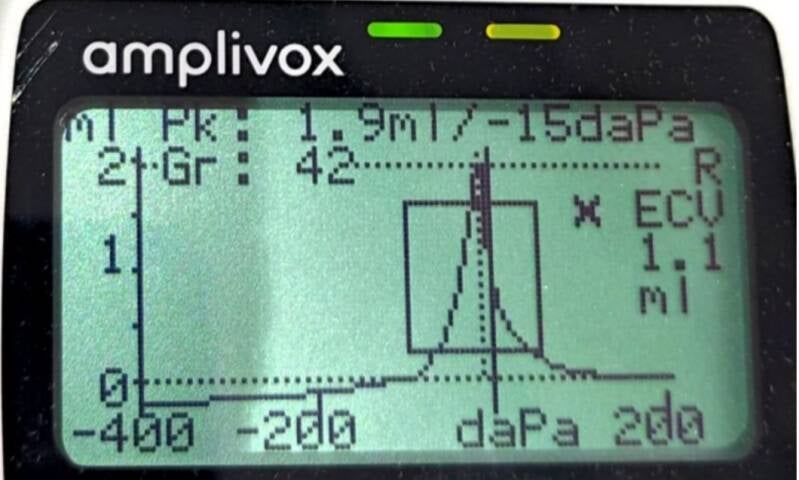
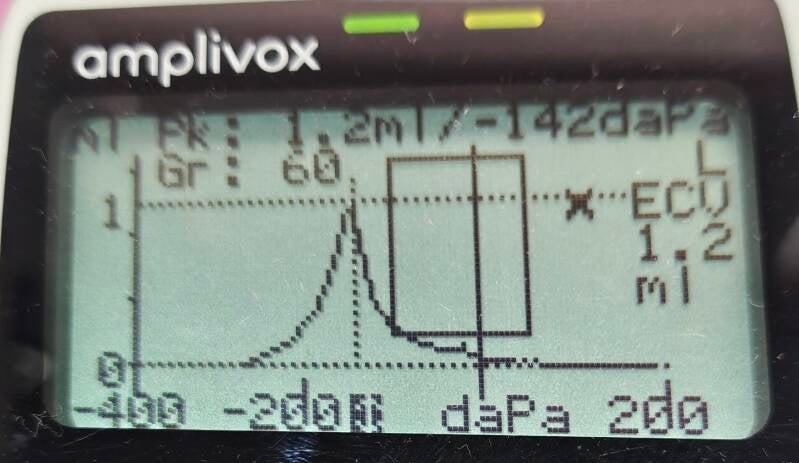
4. The result appears as a tympanogram, the graph produced by the test, which the audiologist can read straight away.
5. Your results are discussed with you, along with what they mean and what should happen next.
You will be asked to stay still and quiet for a few seconds at a time while each ear is measured. Talking, swallowing or moving can disturb the trace, so the reading is taken in short bursts.
Why your ears need to be dry before the test
Please do not put oil in your ear before this assessment, as your ears need to be dry for this test. The probe tip has to seal against the ear canal, and oil, drops or leftover moisture can break that seal. When the seal fails, the machine cannot produce a reliable trace, and the appointment may need to be rearranged.
The same applies to water. Swimming, a recent hair wash or showering just before you set off can all leave moisture in the canal. If you use olive oil, almond oil or any other ear product as part of your normal routine, leave it out before your appointment rather than applying it on the day. If you have recently had earwax removed, allow the ear to settle and stay dry beforehand. Arriving with dry ears is the single easiest thing you can do to get a clean result first time.
What a tympanogram can point towards
The trace is read as a pattern rather than a single number. Different shapes are associated with different middle ear conditions, and that pattern helps guide the next step, whether that is simply monitoring, advice, or a referral onwards.
• Fluid sitting behind the eardrum, often described as glue ear
• Pressure changes in the middle ear cavity
• Reduced movement of the eardrum
• Eustachian tube dysfunction, where pressure equalisation is not working well
• Ears that have been managed with grommets, where the clinic can offer referral support
A tympanogram is not a diagnosis on its own. It is one piece of evidence, read alongside what you describe, what otoscopy shows and, where relevant, the results of a hearing test.
Tympanometry and audiometry compared
People often assume these are the same appointment under two names. They answer different questions, which is why they work so well side by side.
Question Tympanometry Audiometry
What is being assessed Middle ear function and eardrum movement Sensitivity to sound across frequencies
How it is recorded A pressure and movement trace Hearing thresholds on an audiogram
What it cannot do Measure how well you hear Show how the middle ear is ventilated
If you have been struggling with muffled hearing, a blocked feeling or hearing that seems to change with every cold, having both tests gives a much fuller picture than either one alone.
When middle ear analysis may be suggested
People usually arrive at the clinic with a set of experiences rather than a diagnosis. Hearing that feels dull or distant, ears that will not clear when you swallow, a sense of fullness that comes and goes, or difficulty following conversation when there is background noise are all reasons to have things checked properly. For children, inconsistent responses to sound or speech that seems delayed are worth investigating too.
Tympanometry is often carried out alongside a hearing test, and it is particularly helpful where a person cannot reliably describe what they hear, because it does not depend on a verbal response at all.
Results and what happens next
Some tympanograms come back completely normal, which is reassuring and rules out a middle ear cause for your symptoms. Others show a pattern that explains the blocked or muffled sensation and points towards fluid, pressure or Eustachian tube function as the culprit. Depending on what is found, you may be advised to monitor things, given simple self care advice, or referred onwards for further assessment. Repeat testing can be useful for tracking whether a problem is settling or persisting.
Middle ear analysis in Weston-super-Mare
Ears2hear is the independent ear care and audiology clinic of audiologist Frieda Ellis, based in Weston-super-Mare and serving North Somerset. Alongside tympanometry and middle ear analysis, the clinic provides private earwax removal, ear health checks, diagnostic hearing tests in a soundproof booth, earmould re-tubing and custom moulded earplugs. Home visit appointments are available within 10 miles of Weston-super-Mare for anyone who finds travelling to a clinic difficult.
Frequently Asked Questions
Does tympanometry hurt?
No. The probe tip rests at the entrance of the ear canal rather than going deep, and the pressure change may feel like a small amount of fullness, similar to the sensation on a plane. Most people find it quick and entirely comfortable. If anything feels sharp or painful, say so immediately and the test can be stopped.
Why can I not use oil before the test?
The probe needs a clean seal against the ear canal to record a reliable trace. Oil, drops or moisture break that seal and the reading becomes unreliable or impossible. Please do not put oil in your ear before this assessment, as your ears need to be dry for this test. If you forget, tell your audiologist when you arrive.
Will I get my results on the day?
The tympanogram is produced immediately, so your audiologist can read the trace and talk you through what it shows during the same appointment. If you have also had a hearing test, both sets of results are usually discussed together so you get one clear explanation rather than two separate conversations.
Should I reschedule if I have a cold?
A cold can affect pressure in the middle ear and leave the ear canal feeling tender, which may influence the reading or make the test less comfortable. Mention it when you book or before the appointment starts. Your audiologist will advise whether to go ahead or rearrange for a time when you are feeling better.