

Earhealth check

Professional earhealth check in Weston-super-Mare
An earhealth check at Ears2hear is a thorough, gentle assessment designed to give you total peace of mind regarding your ears and hearing comfort.
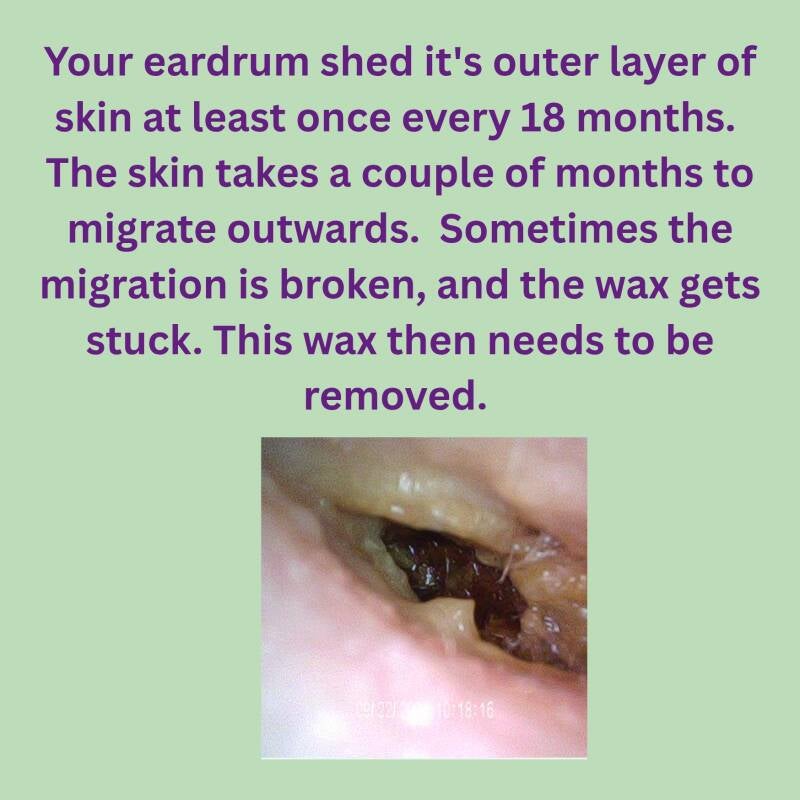
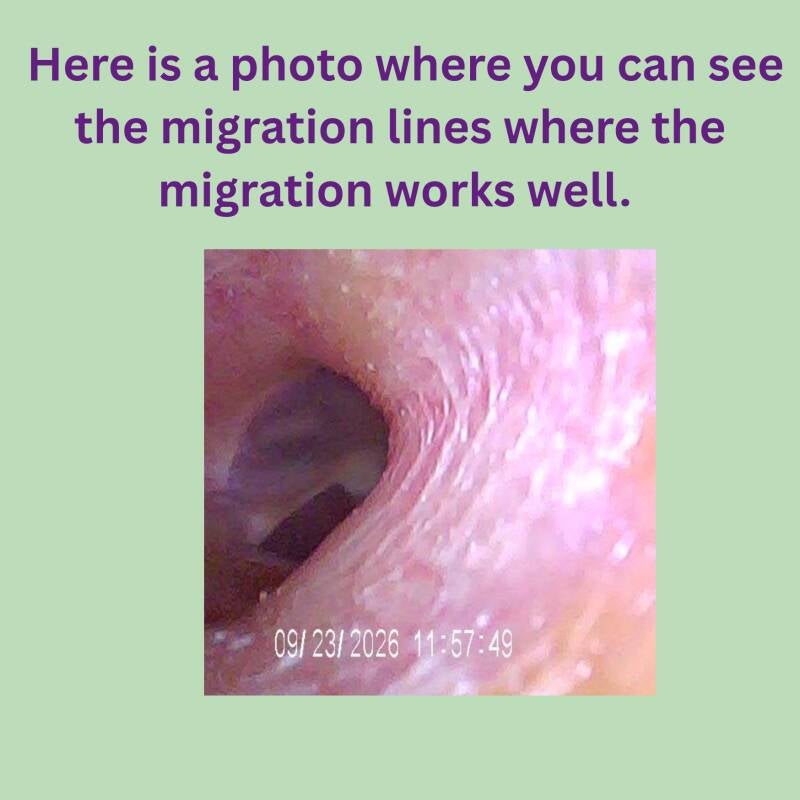
Our qualified audiology carries out otoscopy to examine the outer ear canal, skin condition, and eardrum membrane.
Whether you have noticed subtle hearing changes, feelings of pressure, or simply want routine preventative screening, an earhealth check helps identify issues early before they develop into painful or disruptive problems.
What we examine during your earhealth assessment
A full ear check-up goes far beyond just spotting wax. During your appointment in Weston-super-Mare, we look closely at every visible structure of your auditory system to ensure healthy function.
Ear canal health and skin condition
We inspect the delicate canal lining for signs of inflammation, eczema, dry skin, irritation, or narrowings that could cause recurring discomfort.
Earwax accumulation and blockages
We assess the depth and density of any earwax build-up, confirming whether professional microsuction or irrigation is required to restore clear hearing.
Tympanic membrane integrity
We evaluate your eardrum for perforations, scar tissue from past childhood infections, retraction, or abnormal vascularisation.
Foreign objects or debris
From cotton bud fibres to lost earplug fragments, we safely inspect and document any foreign material requiring gentle removal.
Signs of healthy ears during a check
Clear, healthy canal skin free from redness or swelling
A translucent, pearly-grey eardrum reflecting light naturally
Healthy, minimal wax production that does not obstruct sound
No indication of perforation, fluid lines, or trapped debris
Common concerns detected during an ear check
Our thorough inspection helps pinpoint the exact cause behind your symptoms:
Impacted or hardened earwax pressing against the eardrum
Outer ear infections (otitis externa) and localised inflammation
Fluid accumulation or negative pressure behind the tympanic membrane
Perforations or visible scarring from previous trauma or infections
Irritation caused by cotton bud misuse or poorly fitting hearing moulds